

ITR Filing for Individuals in Delhi NCR 2026 – Documents, Deadlines and Filing Process
Ask Question?

Fill up form below, our team will get back soon

ITR Filing for Individuals in Delhi NCR 2026 | Documents, Deadlines & Process

If you have made an income in India through salary, through profession, self-employment, through investments, or even rental income, the Income Tax Return (ITR) will be not an unnecessary process anymore. This is because the return form helps you to get a tax refund, apply for a loan, or visa application. In 2026, there are several other things that the ITR has got added in order to make it data-based and exact match.

This article is everything about ITR filling of individual taxpayers and would prove very helpful for those individuals who have been working either in salary employment or in professional freelancing work or even senior citizen in Delhi NCR and even for NRIs and those earning through rental and capital gain.

This article will tell you when you need to cancel your GST registration, how the procedure works and what final compliance actions you need to take even after the GSTIN is gone.


What Is an ITR?

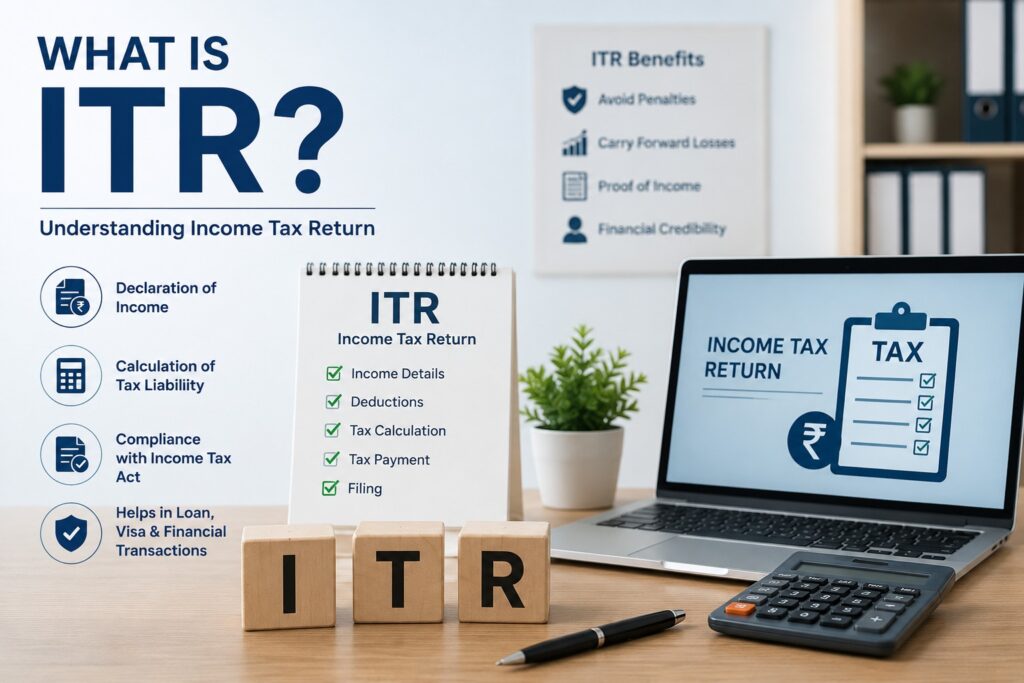
Income tax return (ITR) form is a document that serves as a medium through which one reports his earnings in that particular financial year from various sources such as salary income, business income, capital gain income, rent income, or any other income, along with the taxes paid on them to the Income Tax Department. By filing an ITR, individuals can report their income and can take benefit of the deduction, if any. Any person who has an income beyond the threshold limit must file an ITR.Cancellation is not suspension. Suspension is frequently department triggered due to non-filing or errors and can sometimes be overturned. Cancellation is a complete termination of the registration.

What Is ITR? Understanding Income Tax Return, Tax Filing Process and Benefits

The Four Core ITR Filing Services Every Individual Needs

ITR Filing for Salaried Employees

Salary income declaration, deduction for HRA along with others, and matching Form 16 with filing details.

ITR Filing for Freelancers & Professionals

Reporting income from business/profession, presumption of income, and expense allowances.

ITR Filing for Capital Gains & Investments

Accurately reporting gains from stocks, mutual funds, and property, and applying the correct tax treatment.

ITR Filing for Rental Income

Reporting house property income and claiming eligible deductions like municipal taxes and home loan interest.

Why ITR Filing for Individuals Matters in 2026

A couple of developments have occurred in respect of taxpayers this year. The pre-filled ITR form uses the data provided in your Form 16, AIS, and TIS, thus mismatch between your declaration and the information provided by your employer or financial intermediary becomes known immediately. Secondly, there has been increased focus on capital gains tax by breaking up different asset categories and their holding periods. Finally, since the department has an automatic matching system, any discrepancy even for minor incomes will prompt the issuance of a notice to you in a couple of weeks rather than months.

If an individual receives income from multiple sources like salary, rent income, and some mutual fund gains, then filing the appropriate ITR form for each source of income cannot be avoided.

Benefits of Staying ITR Compliant

data

No late fees, interest, or penalty notices that eat into your refund or savings.

planning

Faster loan and credit card approvals as banks factor in your ITR filing history.

streamlined-connectivity

Smoother visa applications, since ITRs are a standard proof-of-income document.

money

Ability to carry forward losses from capital gains or business income to future years.

Trusted by 100+ Companies

Step-by-Step: The ITR Filing Journey for an Individual

Step 1: Collect Your Documents

Gather your PAN, Aadhaar, Form 16/16A, bank statements, investment proofs, and details of every income source. See the document checklist below.

Step 2: Choose the Right ITR Form

The correct form depends on your income sources — salary-only, capital gains, business income, or foreign assets each map to a different ITR form.

Step 3: Reconcile with AIS/Form 26AS

Before filing, cross-check your income and TDS details against your AIS and Form 26AS to avoid mismatches that delay processing.

Step 4: File and Verify

Submit your return online and complete e-verification (via Aadhaar OTP, net banking, or other methods) within the prescribed window — an unverified return is treated as not filed.

Common Mistakes to Avoid

Filing under the wrong ITR form

Not reconciling with AIS/Form 26AS before filing

Missing the filing deadline

Forgetting to e-verify after submission

ITR Filing Deadline

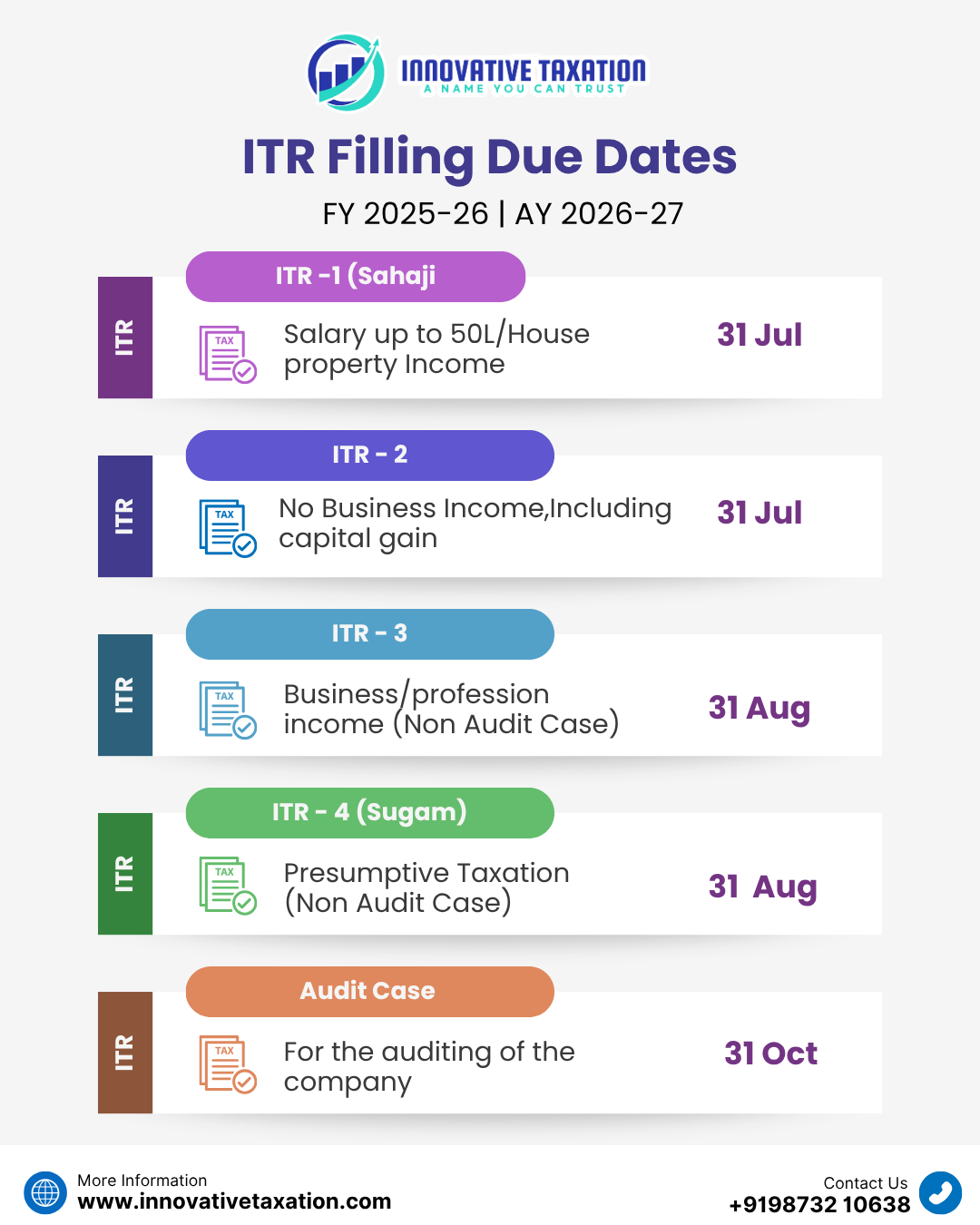
For individuals whose accounts don’t require an audit, the ITR filing deadline is generally 31 July, while businesses requiring a tax audit have until 30 September. Missing the deadline can attract late filing penalties under Section 234F, along with interest charges, and repeated non-compliance may lead to scrutiny or a notice from the Income Tax Department.


ITR Filing Services Comparison Table

ServiceWhen You Need ItTypical Turnaround
ITR Filing for Salaried EmployeesEvery financial year, before 31 July2-3 working days
ITR Filing for Freelancers/BusinessEvery financial year, income from profession/business3-5 working days
ITR Filing for Capital GainsGains from stocks, mutual funds, or property3-5 working days
ITR Filing for NRIsIncome earned or received in India5-7 working days
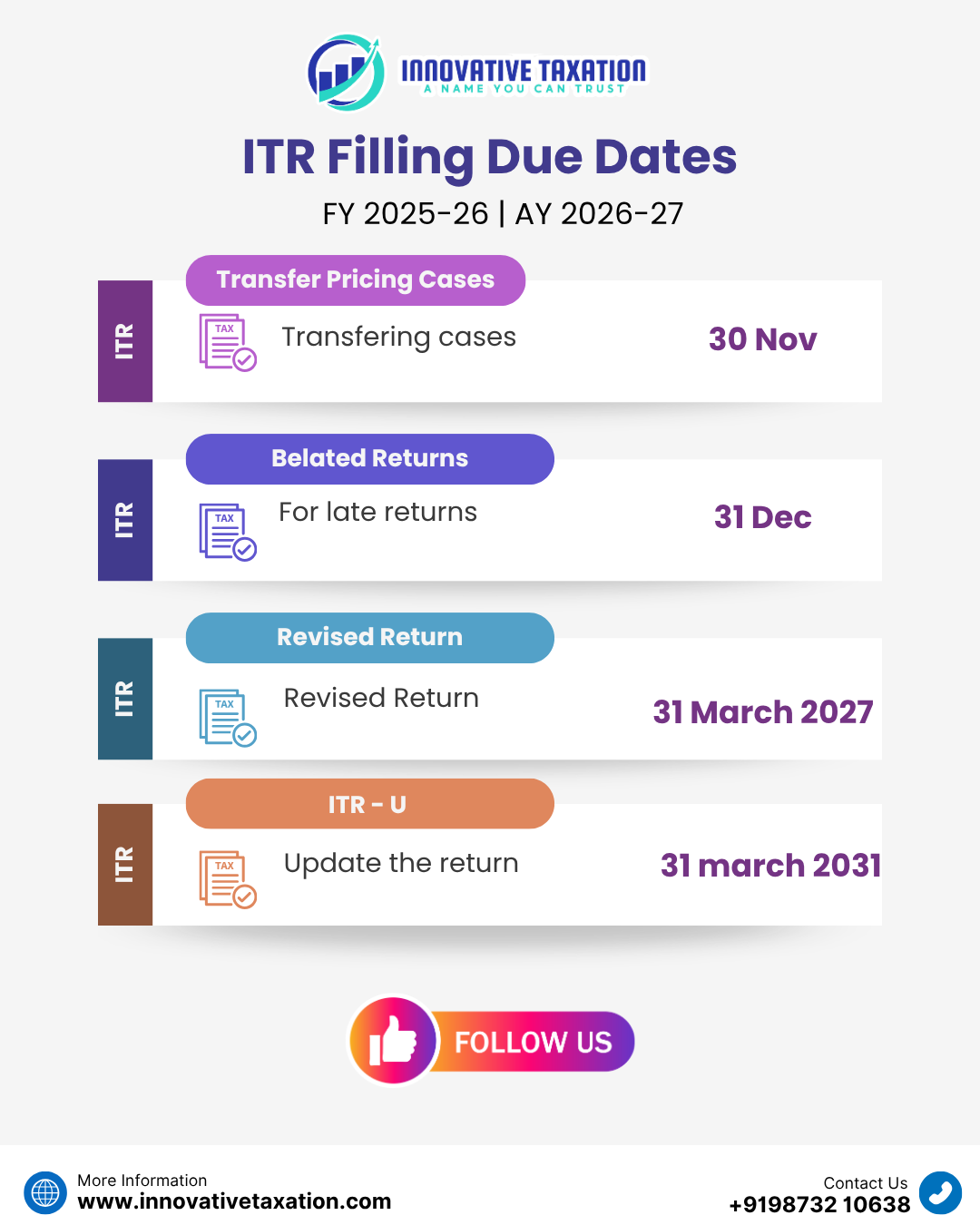
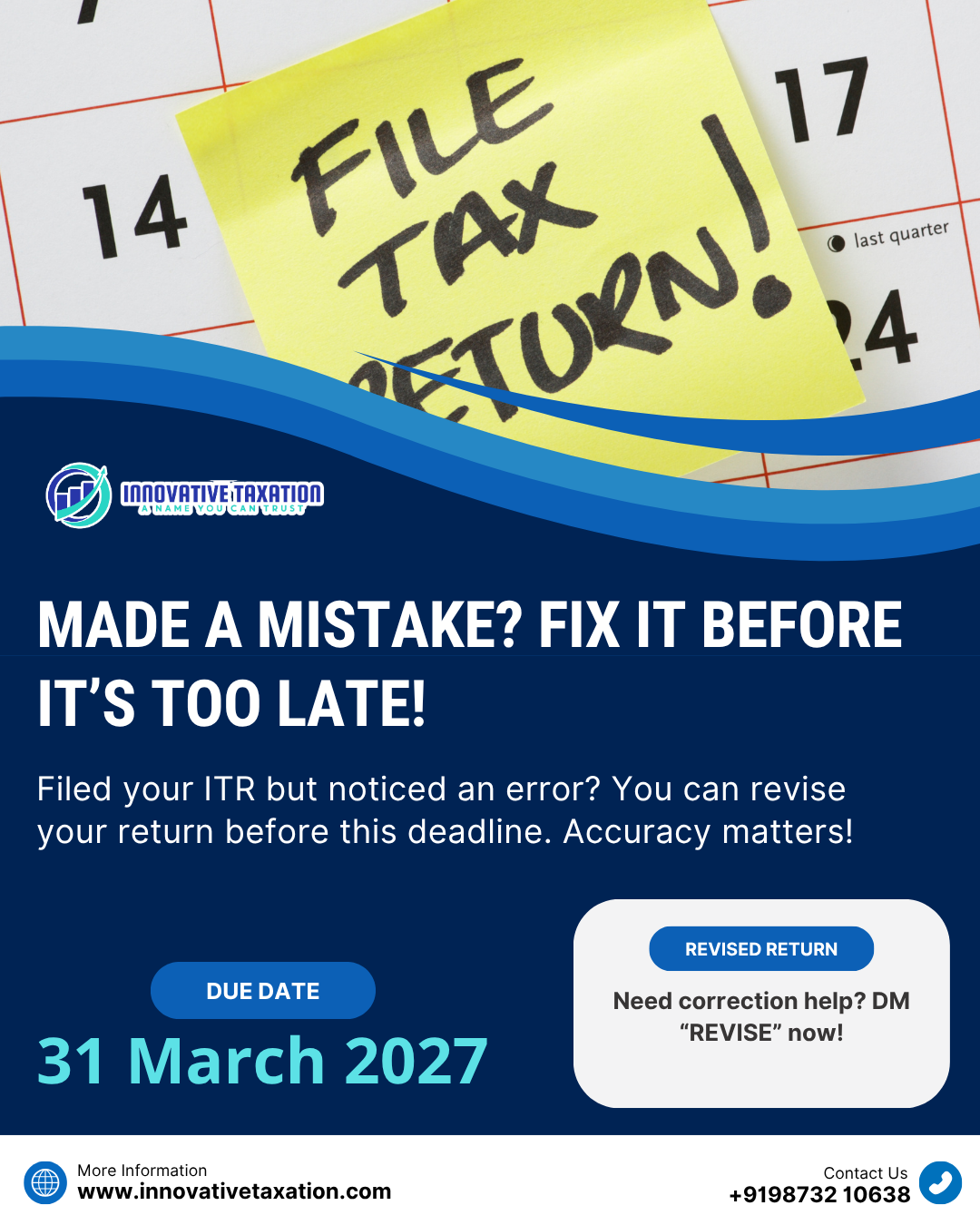
ITR(U) / Updated ReturnCorrecting or updating a previously filed/missed return3-5 working days


Let Us Help You!!

Frequently Asked Questions

Who needs to file an Income Tax Return?

Individuals, businesses, freelancers, and entities meeting the specified income thresholds must file an ITR annually.

There are several ITR forms, each catering to different categories of taxpayers based on their income sources and nature of income.

Yes, e-filing is mandatory for most taxpayers — it’s convenient, secure, and reduces processing time.

You may face a late filing penalty under Section 234F, along with interest on any unpaid tax, and could lose the ability to carry forward certain losses.

Yes, for simple income sources it’s possible to self-file, but with multiple income streams, capital gains, or foreign assets, professional guidance helps avoid errors and missed deductions.

Ask Question?

Fill up form below, our team will get back soon

What Our Clients Says

4.9 rating across 100+ Google Reviews

Get Latest Updates On GST

From Govt. New Rule to the blogs on saving taxes

Scroll to Top